ADU Construction in San Diego
Detached units, attached units, garage conversions & junior ADUs – designed, permitted & built across San Diego County by a licensed local contractor.
- Licensed CSLB #1004363
- Fixed written pricing
- Owner-led since 2014
- Workmanship warranty
Get a Free ADU Construction Quote
Tell us about your lot and goals. We’ll review feasibility and follow up with a clear, fixed-bid path forward – no pressure, no guesswork.
CSLB #1004363
50+ Google reviews
Across San Diego County
Owner-led, fixed-bid
An accessory dwelling unit is one of the smartest investments a San Diego homeowner can make – a second living space for rental income, aging parents, adult kids, or a home office, built right on your own lot. San Diego has become one of the most ADU-friendly regions in California, with the City’s ADU Bonus Program and state law making approval faster and more predictable than ever. We design, permit, and build every type of ADU, from compact garage conversions to fully detached new-construction homes. Owner our team, a CSLB-licensed contractor (#1004363) building here since 2014, handles your project with fixed-bid pricing and one point of contact from first walkthrough to final inspection.
Types of ADUs We Build
San Diego’s rules recognize several distinct ADU types, and the right one depends on your lot, budget, and how you plan to use the space. We build all of them.
- Detached ADU: a standalone unit separate from your main house, ideal for maximum privacy, rental income, or multigenerational living. These offer the most design freedom and typically add the most property value.
- Attached ADU: a new addition that shares a wall with your existing home. A strong choice on tighter lots where a detached footprint isn’t practical, while still giving the unit its own entrance, kitchen, and bath.
- Garage Conversion ADU: transforming an existing attached or detached garage into a legal living space. Often the most cost-effective path because the foundation, walls, and roof already exist.
- Junior ADU (JADU): a smaller unit (generally up to 500 square feet) created within the walls of your existing home, with an efficiency kitchen and often a shared or private bath. JADUs carry their own streamlined rules and lower permitting hurdles.
Not sure which fits your property? That’s exactly what our feasibility walkthrough is for. See also our home additions service.
Why Build an ADU in San Diego
Few home improvements deliver as much long-term return as a well-built ADU, and San Diego is one of the best places in the state to build one.
- Rental income: with strong rental demand across the county, a legal ADU can generate meaningful monthly income, whether you rent long-term or use it as a flexible space.
- Multigenerational living: keep aging parents close while preserving everyone’s independence, or give an adult child an affordable place to land. An ADU adds private living space without uprooting your family.
- Property value: a permitted, well-designed second unit can meaningfully increase your home’s value and broaden its future buyer appeal.
- A pro-ADU climate: the City of San Diego’s ADU Bonus Program and California state ADU law have reduced parking requirements near transit, streamlined ministerial approval, and limited many of the barriers that once made these projects difficult. There has rarely been a better time to build.
For larger reconfigurations, our whole-house renovation service may be a better fit.
Our ADU Process & Permitting
An ADU touches zoning, utilities, setbacks, and inspections, so a clear process protects your timeline and your budget. Here’s how we work.
- Feasibility & lot review: we walk your property to assess setbacks, size limits, utility connections, access, and which ADU type your lot can support under current City and County rules. You get an honest read before any money is committed.
- Design & planning: we develop a layout that fits your goals and your lot, coordinate architectural and structural drawings, and lock in a fixed-bid price so there are no surprises later.
- City permits & approvals: we prepare and submit your plans, manage the permitting process through the City or County, and leverage ministerial approval pathways and the ADU Bonus Program where they apply to keep things moving.
- Construction: foundation, framing, utilities, finishes, and everything in between, managed by one team with you kept informed at every milestone.
- Final inspection & handoff: we schedule and pass final inspections, secure your certificate of occupancy, and hand you a move-in-ready, fully legal ADU.
What an ADU Costs in San Diego
ADU cost depends heavily on type, size, site conditions, and finish level. The ranges below are typical ranges – exact price is a fixed bid after a walkthrough, not a quote.
- Garage conversion ADU: often the most affordable path, with many projects falling in the range of roughly $100,000 to $200,000 because the existing structure does much of the work.
- JADU (within the home): commonly the lowest-cost option, frequently in the range of about $75,000 to $150,000 depending on how much new kitchen, bath, and separation work is required.
- Attached ADU: a new addition typically runs in the range of roughly $200,000 to $350,000, varying with size and complexity.
- Detached new-build ADU: the most involved option, generally in the range of about $250,000 to $450,000 or more for larger, higher-finish units.
Site factors like grading, utility runs, and foundation work move these numbers. After we walk your lot, you receive a clear, itemized fixed bid – the number you see is the number you pay, barring changes you approve.
Why San Diego Homeowners Choose Us
- Fully licensed: CSLB #1004363, bonded & insured, with every ADU built to current City and County code.
- Local since 2014: more than 10 years building and remodeling across San Diego County, with deep familiarity with local permitting and ADU rules.
- Fixed-bid pricing: you get a clear, itemized price before work starts, so there are no mid-project surprises.
- One point of contact: owner Dave Romero stays involved from first walkthrough through final inspection, so you always know who to call.
The difference is in the contract
| What matters | San Diego Custom Remodeling | Typical contractor |
|---|---|---|
| Fixed written bid before any work starts | Always | Often vague or hourly |
| One accountable team, never subcontracted out | Yes | Frequently subbed |
| Licensed, bonded & insured (CSLB #1004363) | Yes | Not always |
| Permits pulled and inspections coordinated | Every job | Sometimes skipped |
| Written workmanship warranty | Yes | Rarely |
Project gallery
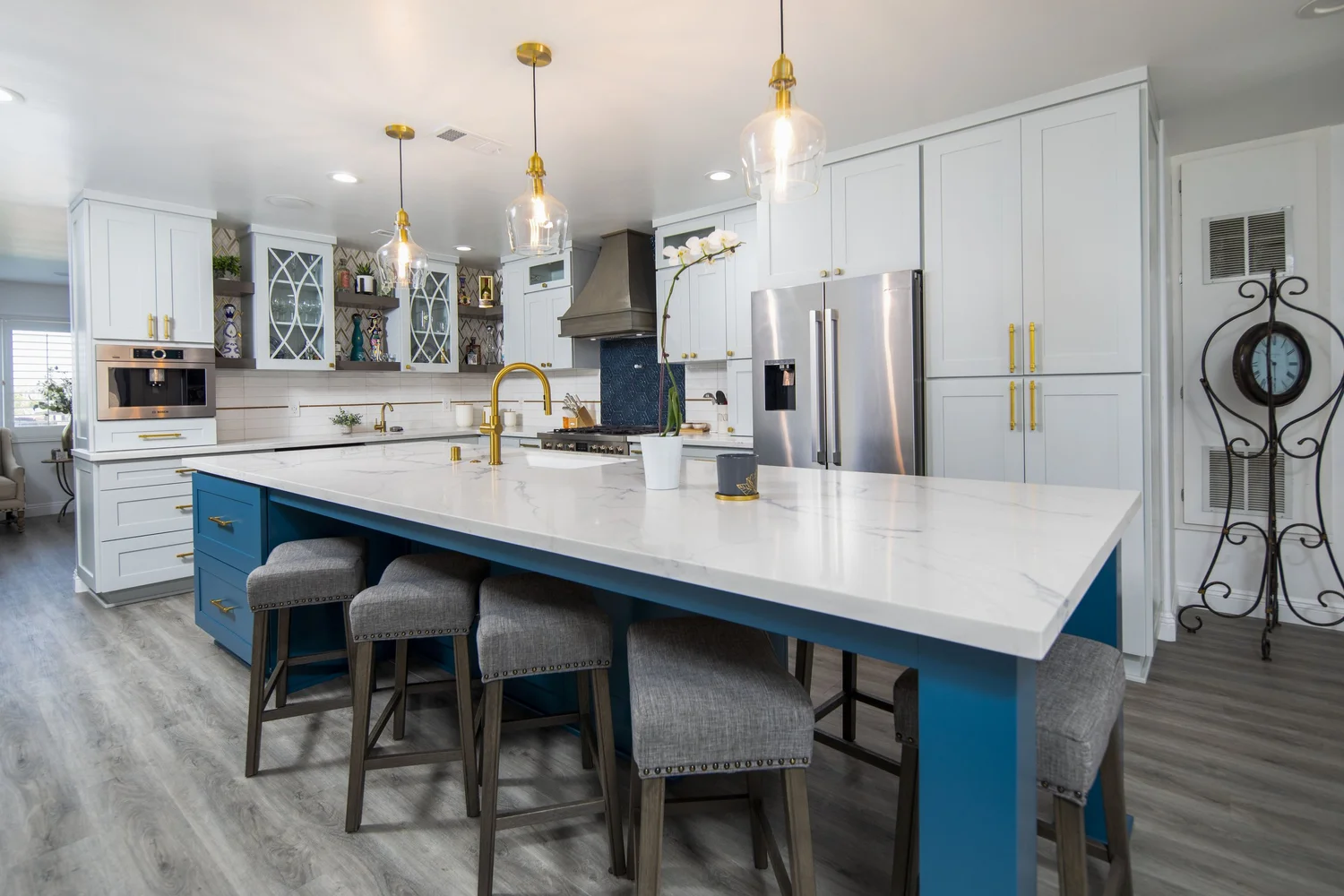
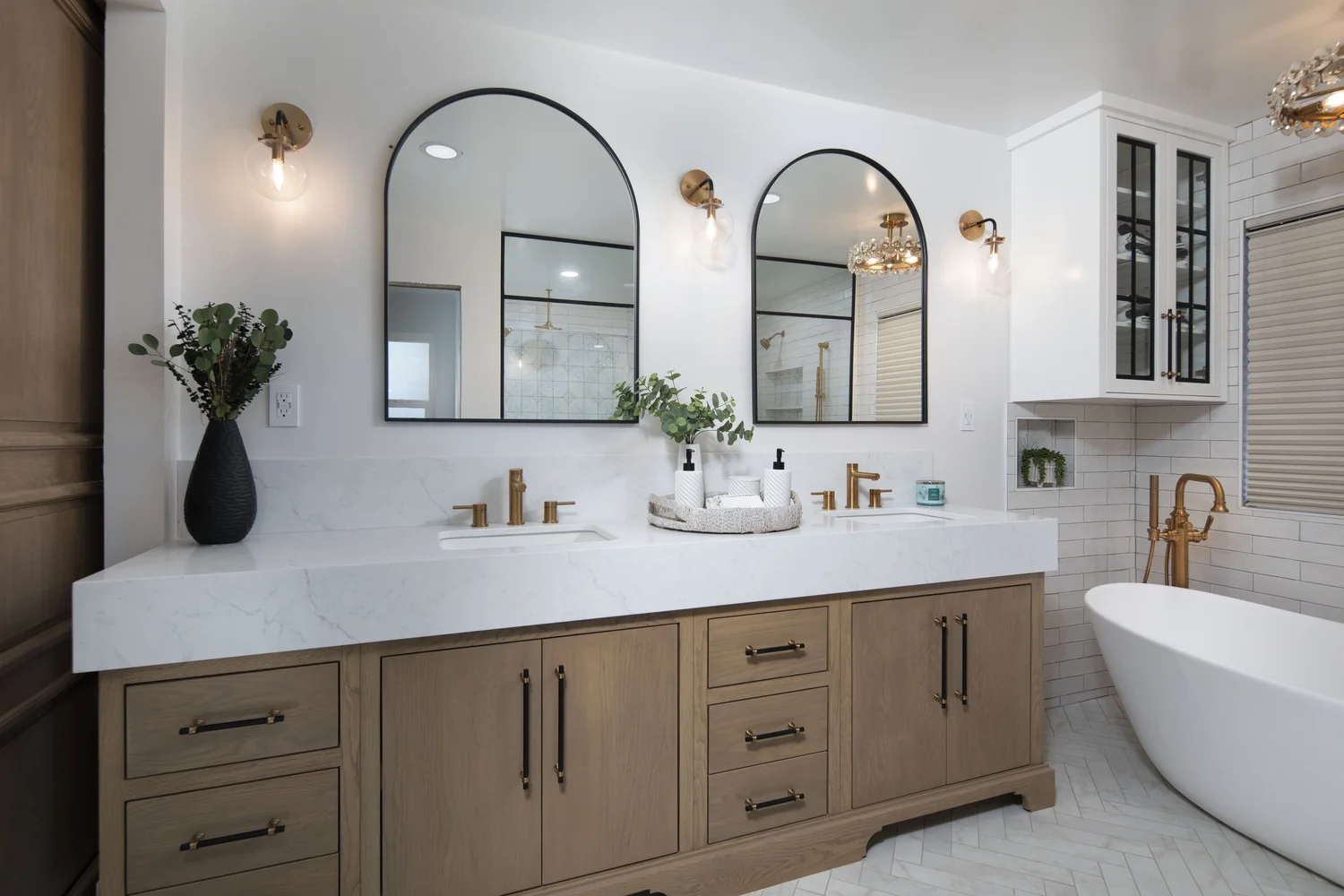
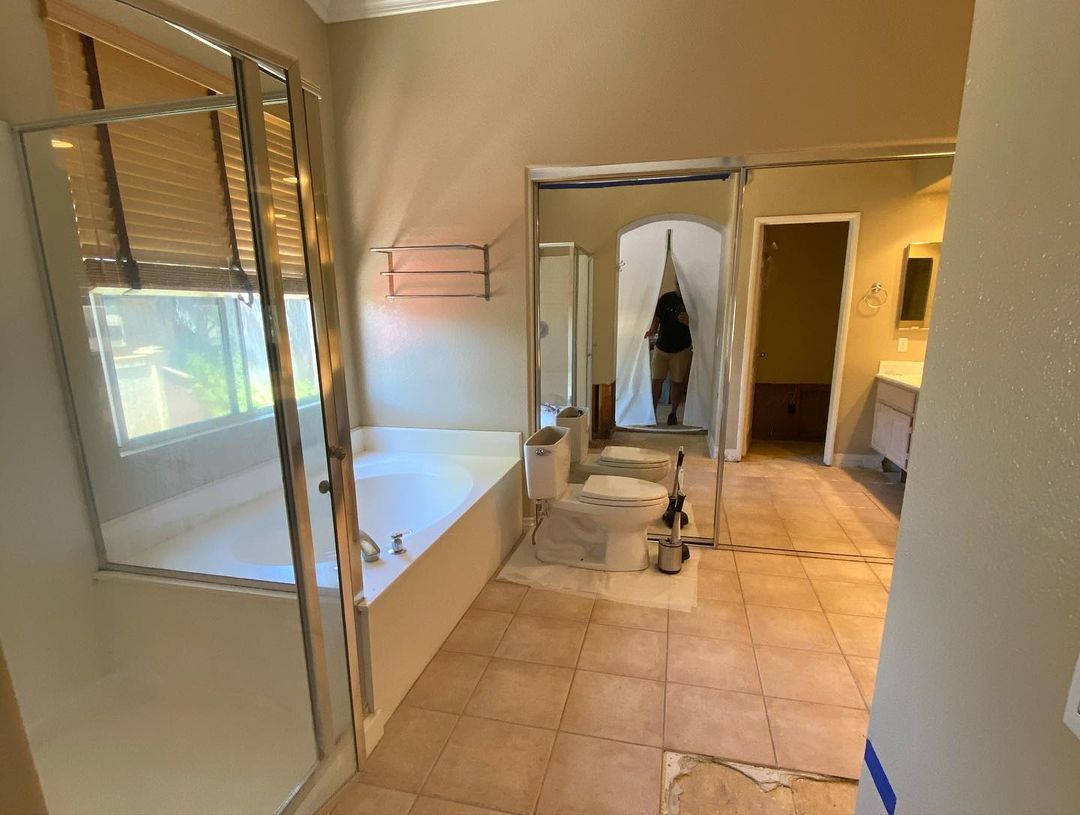
One written price. No surprise change orders.
After we walk your space, you get a single itemized bid for the agreed scope. If it is not in the contract, you do not pay for it. Every project is backed by a written workmanship warranty and the work of a licensed, bonded, and insured San Diego team.
Materials, Finishes and Design Options for Your ADU
An accessory dwelling unit works hardest when the finishes are durable, efficient, and easy to maintain, whether it houses family or earns rental income. We help you select from trusted names rather than a one-size package:
- Flooring: luxury vinyl plank and engineered hardwood from names such as Shaw and Mohawk, chosen for durability and easy upkeep.
- Kitchen: compact, efficient layouts with quartz counters from Caesarstone, Cambria, or Silestone and fixtures from Kohler, Moen, or Delta.
- Bathroom: porcelain tile, a frameless or curbless shower, and a space-smart vanity with a quartz top.
- Windows and doors: Andersen, Pella, or Milgard units for comfort, quiet, and Title 24 compliance.
- Paint and hardware: Sherwin-Williams or Benjamin Moore color with coordinated hardware.
We help you balance cost, longevity, and rental appeal in a clean, functional design. Your selections are confirmed during a design consultation, so the fixed bid reflects the exact materials you chose for the unit.
Frequently asked questions
How much does an ADU cost in San Diego?
It depends on the type. Garage conversions often fall in the range of roughly $100,000 to $200,000, JADUs around $75,000 to $150,000, attached ADUs roughly $200,000 to $350,000, and detached new builds about $250,000 to $450,000 or more. These are typical ranges – your exact price is a fixed bid after we walk your lot and review site conditions.
How long does it take to build an ADU?
Most ADUs take several months from design through final inspection, with permitting and construction running in stages. Garage conversions and JADUs are usually faster because they reuse existing structure, while detached new builds take longer. California’s ministerial approval timelines have made the permitting phase more predictable than it used to be. We give you a realistic schedule with your fixed bid.
Do I need permits and City approval for an ADU?
Yes. Every ADU requires permits and approval through the City of San Diego or the County, covering zoning, setbacks, utilities, and building code. The good news is that California state ADU law and the City’s ADU Bonus Program have streamlined approval, including ministerial review for qualifying projects. We prepare, submit, and manage the entire permitting process for you.
Can I rent out my ADU?
In most cases, yes. ADUs are designed to be rentable and are a popular source of long-term rental income across San Diego. There are some rules around short-term rentals and how the unit and main home can be used, which we’ll walk through during feasibility so your plans line up with current City and County regulations.
Garage conversion or a new detached ADU – which is better?
A garage conversion is usually more affordable and faster because the foundation, walls, and roof already exist, making it ideal if you want to maximize budget. A new detached ADU costs more but offers full design freedom, more square footage options, maximum privacy, and often the strongest boost to property value. Your lot and goals decide which makes more sense, and we’ll help you weigh both.
What are the size limits, and can my lot fit an ADU?
Size limits depend on the ADU type and current state and local rules, with JADUs generally capped around 500 square feet and detached units allowed larger footprints subject to setbacks and lot coverage. Most San Diego residential lots can accommodate some form of ADU. The only way to know what yours supports is a feasibility walkthrough – that’s where we start every project.